Solo nature travel is defined as the deliberate practice of exploring natural environments alone, with the specific intention of deepening self-awareness, building resilience, and strengthening your bond with the living world around you. This is distinct from simply being outdoors by yourself. The psychological literature calls this “solitude in nature,” and the distinction matters enormously. Why solo nature travel matters goes far beyond the romantic idea of wandering through a forest alone. Research now confirms that immersive, solo engagement with green and blue environments produces measurable gains in mental wellbeing, environmental empathy, and personal growth, provided you approach it with the right mindset. At Bendoestheworld, we’ve seen this transformation firsthand across dozens of wild destinations.
Why solo nature travel matters for mental health and personal growth
Solo time in nature is not just restorative. It is psychologically restructuring. Connectedness to nature drives reduced loneliness far more powerfully than socializing does, particularly when you are engaged in lake or waterside activities alone. That finding challenges the common assumption that social interaction is always the antidote to feeling isolated.
The psychological mechanism works like this. When you are alone in a natural setting, your attention turns outward toward the environment rather than inward toward rumination. This outward attentional shift is what researchers call the solitude mindset, and it is the engine behind the mental health gains. Long-term nature engagement promotes autonomy, introspection, and resilience, but only when solitude is experienced as a chosen state rather than an imposed one.
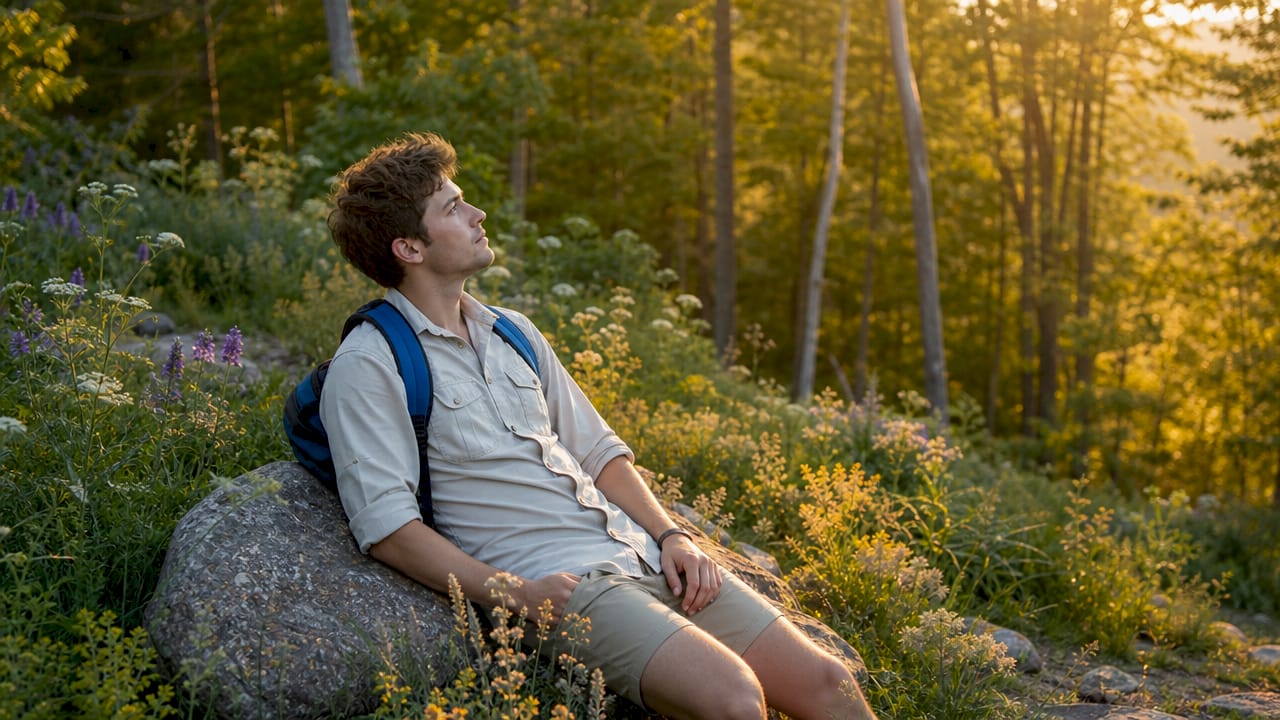
The difference between solitude and loneliness is not about being alone. It is about how you interpret being alone. Solitude is growth-oriented, curious, and expansive. Loneliness is threat-oriented, contracted, and self-focused. Solo nature travel, when approached intentionally, almost always tips the scales toward solitude. The forest, the river, the open savanna, these environments give your mind something magnificent to attend to beyond itself.
Here is what the mental health benefits of solo outdoor adventures actually look like in practice:
- Reduced anxiety and rumination through sustained attention on natural stimuli like birdsong, water movement, and shifting light
- Increased sense of autonomy from making independent decisions about pace, route, and duration
- Stronger introspective clarity as the absence of social performance pressure allows genuine self-reflection
- Improved emotional resilience built through navigating mild physical and logistical challenges alone
- Deeper place attachment when you return to the same natural location repeatedly, which strengthens emotional connection beyond general outdoor experience
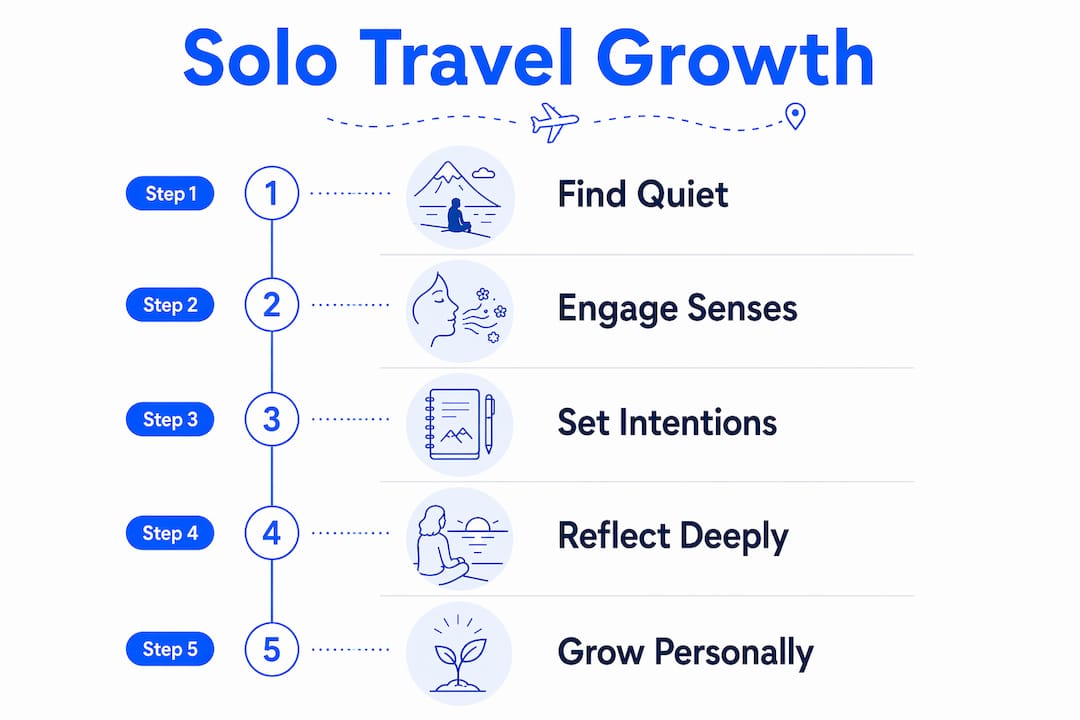
Pro Tip: Before your next solo trip, write down one specific growth intention, whether that is practicing patience, observing without judgment, or simply sitting still for 20 minutes. Research shows that deliberate intention-setting is what separates a transformational solo experience from a pleasant walk.
What role does solo nature travel play in building environmental empathy?
Empathy with nature, strengthened through immersive experiences and feelings of awe, directly predicts responsible tourist behaviors including conservation-supporting actions. This is one of the most compelling reasons to explore nature alone. When you remove the social layer of group travel, you stop performing your experience for others and start actually having it.
Awe is the key emotional catalyst here. Standing alone at the edge of a cloud forest in Costa Rica, watching a resplendent quetzal move through the canopy, produces a qualitatively different emotional response than experiencing the same moment surrounded by a tour group. The solo traveler’s nervous system is fully available to the encounter. That full availability is what generates genuine awe, and awe is what converts a wildlife sighting into an ecological commitment.
The comparison below illustrates how solo and group modes of nature engagement differ in their conservation outcomes:
| Mode of engagement | Emotional depth | Conservation behavior outcome |
|---|---|---|
| Passive group viewing | Low to moderate | Minimal behavioral change |
| Solo observation without structure | Moderate | Occasional attitude shift |
| Solo observation with interpretive practice | High | Strong pro-environmental intentions |
| Repeated solo visits with place attachment | Very high | Long-term conservation commitment |
Wildlife viewing paired with interpretive attention produces empathy that translates into stronger conservation attitudes. Passive viewing is simply less effective. When you journal about what you observed, sketch the habitat, or research the species you encountered, you are doing interpretive work. That meaning-making process is what locks in the emotional connection and motivates stewardship. Bendoestheworld’s guides to Costa Rica’s conservation success show exactly how this kind of engaged travel reshapes visitor behavior at scale.
How does mindset shape the benefits of solo nature travel?
Mindset is not a soft variable here. It is the primary determinant of whether solo nature travel produces growth or distress. The benefits of solo nature travel depend on cultivating a solitude mindset intentionally rather than passively enduring isolation. Without that intentionality, the same forest trail that heals one person can amplify another person’s anxiety.
The solitude mindset involves three core elements. First, you choose to be alone rather than feeling abandoned by others. Second, you bring a specific orientation toward the experience, whether that is curiosity, endurance, or quiet observation. Third, you allow the environment to hold your attention rather than forcing your thoughts to fill the silence. These are learnable practices, not personality traits.
Here is a practical sequence for building the right mindset before and during a solo nature trip:
- Set a clear intention before you leave. Decide what you want to notice, feel, or understand by the end of the trip. Vague goals produce vague experiences.
- Choose an environment that matches your current emotional state. If you are anxious, start with a familiar trail rather than an unfamiliar wilderness. Familiarity reduces cognitive load and lets the restorative process begin faster.
- Practice deliberate attention during the trip. Pick one species, one sound, or one ecological feature and follow it with focused curiosity for at least 30 minutes.
- Reflect immediately after. Write three sentences about what shifted in you during the experience. This reflection step is what converts experience into growth.
- Return to the same place. Repeated visits to a specific natural location build place attachment, which deepens emotional connection and amplifies every subsequent visit.
Pro Tip: If you find your mind racing during solo time in nature, try the “5-4-3-2-1” sensory grounding technique: name five things you can see, four you can hear, three you can feel, two you can smell, and one you can taste. This technique pulls attention outward and activates the solitude mindset within minutes.
What practical steps maximize the benefits of solo outdoor adventures?
Planning matters as much as presence. Slow travel in natural environments provides restorative effects through immersive sensory engagement and active mobility, with walking and cycling producing the strongest positive emotional outcomes. This means your mode of movement through a landscape is itself a therapeutic choice.
Here is how to structure a solo nature trip for maximum psychological and ecological benefit:
- Choose interpretive trails over scenic overlooks. Trails with signage about species, geology, or ecological relationships give your mind interpretive anchors that deepen engagement.
- Build in unscheduled time. Leave at least two hours of each day completely open. Restoration happens in the unplanned moments, not the itinerary.
- Bring a field journal, not just a camera. Photography encourages passive documentation. Journaling forces active observation and meaning-making.
- Limit daily mileage deliberately. Covering less ground more slowly produces greater emotional restoration than maximizing distance.
- Balance solitude with safety awareness. Share your itinerary with someone before departing. Solo travel’s benefits do not require recklessness.
Nature prescribing, now recognized within global healthcare frameworks as a structured intervention for mental and physical wellbeing, validates what solo travelers have known intuitively for generations. Your time alone in wild places is not a luxury. It is a health practice with measurable outcomes. Psychological disposition and attachment to nature explain why some people gain more from the same nature exposure than others, which is why building your personal connection to specific places over time is the most powerful long-term strategy.
Pro Tip: Pick one wild place within a few hours of home and commit to visiting it four times across different seasons. By the fourth visit, you will notice details invisible to first-time visitors, and your emotional connection to that place will be qualitatively different. That depth of connection is what drives lasting conservation behavior.
Key takeaways
Solo nature travel produces its deepest benefits when you combine intentional solitude, interpretive engagement, and repeated visits to specific natural places.
| Point | Details |
|---|---|
| Solitude beats socializing for loneliness | Nature connectedness, not social contact, drives the strongest reductions in loneliness during solo outdoor time. |
| Mindset determines outcomes | Framing solo time as chosen solitude rather than isolation is the primary factor in whether growth or distress results. |
| Interpretive practice builds conservation commitment | Pairing wildlife observation with journaling or structured attention converts emotional awe into lasting pro-environmental behavior. |
| Slow travel amplifies restoration | Walking and cycling through natural environments produce stronger emotional wellbeing gains than passive or motorized transit. |
| Place attachment compounds over time | Returning to the same natural location repeatedly deepens emotional connection and multiplies the psychological benefits of each visit. |
Why I think most people are doing solo nature travel wrong
Most solo travelers I encounter are still in spectator mode. They arrive at a magnificent place, photograph it thoroughly, and leave. The landscape becomes a backdrop for self-documentation rather than a living system they are genuinely part of. I spent years doing exactly this before I understood what I was missing.
The shift happened for me in the Pantanal, watching a giant river otter work a stretch of water for nearly an hour. I had no cell signal, no tour guide, and no one to share the moment with in real time. What I had was complete, undivided attention. By the end of that hour, I felt something I can only describe as kinship with that animal and its habitat. That feeling changed how I travel, how I write, and honestly, how I think about my own place in the natural world.
The research now confirms what that experience taught me intuitively. The benefits of solo nature travel are not automatic. They are earned through intentionality, slow attention, and the willingness to return to the same places until they feel like home. The travelers who get the most from wild places are not the ones who visit the most destinations. They are the ones who go deepest into a few.
If you are reading this and feeling the pull toward a solo adventure, trust that pull. But go with a purpose beyond the photograph. Go to learn something about yourself and the living world you are part of. That is where the real transformation lives.
— Ben
Plan your next solo wildlife adventure with Bendoestheworld
If this has sparked the urge to get out there alone and experience something wild and real, Bendoestheworld has the resources to help you plan it well. From curated destination guides to gear reviews built for serious nature travelers, the site is designed for people who want more than a checklist of sights. Start with the top wildlife destinations in North America, where solo travelers can find immersive, conservation-minded experiences across some of the continent’s most spectacular ecosystems. These are places where slow travel, interpretive engagement, and genuine solitude are all possible, often within a day’s drive of major cities. Go deep, go alone, and go with intention.
FAQ
What is solo nature travel and why does it matter?
Solo nature travel is the practice of exploring natural environments alone with deliberate intention for personal growth and environmental connection. Research shows it produces measurable gains in mental wellbeing, resilience, and conservation-oriented behavior when approached with a solitude mindset.
How does solo nature travel improve mental health?
Nature connectedness, not social interaction, drives the strongest reductions in loneliness during solo outdoor experiences. Long-term engagement with green and blue environments promotes autonomy, introspection, and psychological resilience.
Is solo nature travel safe for beginners?
Solo outdoor adventures are safe for beginners when planned carefully. Share your itinerary with someone before departing, choose familiar trails initially, and build experience gradually before attempting remote or technically demanding environments.
How often should I visit the same natural place to build connection?
Repeated visits to a specific natural location build place attachment that deepens emotional connection and amplifies the psychological benefits of each subsequent visit. Four visits across different seasons to the same location produces a qualitatively different depth of connection than four visits to four different places.
What is the difference between solitude and loneliness in nature travel?
Solitude is a chosen, growth-oriented state where attention moves outward toward the environment. Loneliness is a threat-oriented state where attention contracts inward. The same solo experience can produce either outcome depending entirely on how you frame and approach it.